Call Us
(863) 899-5840
Office Hours
Monday - Friday : 9am - 5pm EST

Where Children Learn to Connect, Communicate, and Belong

Social Skills Groups

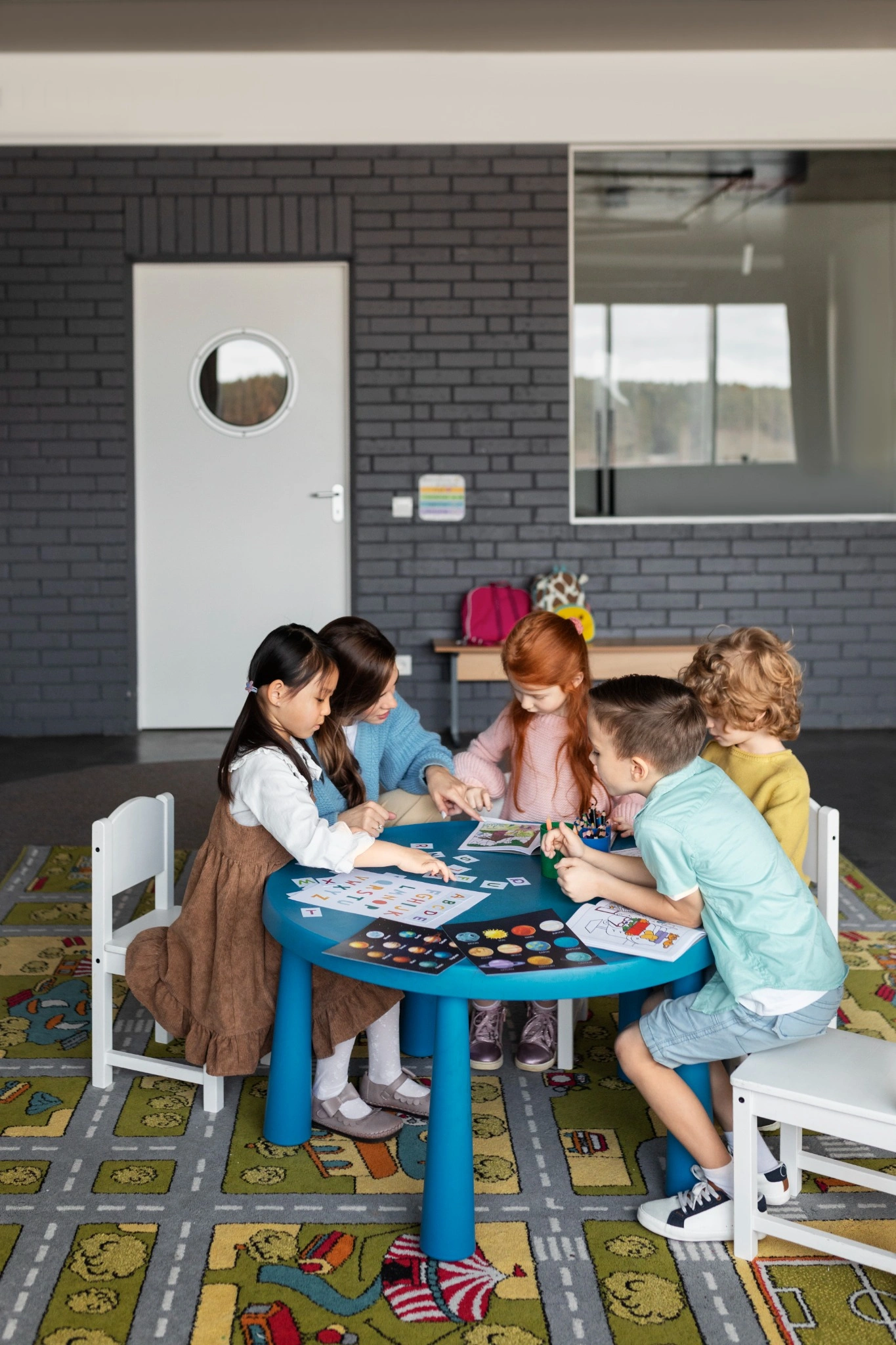
IBM's Social Skills Groups give children ages 6 to 15 a structured, supportive environment to learn and practice the social skills that matter most in everyday life. Many children with autism have a genuine desire to connect with others but need explicit, step-by-step instruction to develop the skills that make those connections possible. IBM's groups are carefully matched by developmental level, not just age, ensuring every child is set up to participate meaningfully and make real progress alongside peers who are at a similar stage of social development.

Call Us To Learn More

Social skills groups at IBM are not just practice sessions. They are purposefully designed learning environments where evidence-based teaching methods meet real peer interaction. Every session is supervised by IBM's clinical team and built around each child's individual goals, so progress in the group directly supports progress in the classroom, on the playground, and at home.


Benefits of Social Skills Groups

  • Peer interaction in a safe, supported setting.

    Children practice real social interaction with peers in an environment where a clinical team is present to guide, correct, and reinforce positive behaviors in real time.Peer interaction in a safe, supported setting.
  • Structured progression from foundational to advanced skills.

    IBM's groups build skills systematically, starting with foundational skills like eye contact and responding to peers and progressing to complex social navigation, conflict resolution, and friendship maintenance.
  • Improved communication with peers.

    Children develop the ability to initiate and sustain conversations, ask and answer questions, take turns speaking, and adjust their communication style based on social context.
  • Development of play skills.

    Children learn to share, take turns, join ongoing activities, follow game rules, and engage cooperatively with others, skills that are foundational for school and community participation.
  • Greater emotional understanding.

    Children learn to identify their own emotions, read social cues in others, develop empathy, and respond appropriately in emotionally charged situations.
  • Reduced social isolation.

    Many children with autism avoid peer interaction due to uncertainty or past negative experiences. IBM's groups provide a positive, structured peer environment that builds confidence and reduces avoidance over time.
  • Real-world generalization.

    Skills practiced in IBM's groups are specifically designed to carry over into the classroom, the playground, and the home, not just the therapy setting.
  • Peer modeling opportunities.

    Children learn from observing and interacting with peers at a similar developmental level, a powerful and natural form of social learning that individual therapy alone cannot replicate.
  • Stronger school readiness and classroom participation.

    Social skills groups target the exact competencies children need to succeed in a classroom environment, including following group instructions, working cooperatively, raising their hand, and managing frustration with peers.
  • Increased confidence and quality of life.

    As children build social skills and begin to experience successful peer interactions, their confidence grows. Families consistently report improvements in their child's overall mood, motivation, and willingness to engage with the world around them.
ABA Therapy

#1 ABA Services in Central Florida with over 50 years of combined clinical experience.